T1_2x2_Teacher's_Manual - Planning 1


Learning and Development Objectives:
• Develop reading comprehension skills through an article about endangered species;
• Revise vocabulary and structures studied in Planning;
• Take part in games to practise vocabulary and structures, reacting to the teacher’s commands and interacting with classmates.

BNCC Skills:
• (EF06LI09) Localizar informações específicas em texto.

Materials needed:
• Student's Book;
• Workbook;
CLASS 9
• Refer to the Introduction section of this manual for instructions on how to conduct this moment.
• Refer to the Introduction section of this manual for instructions on how to conduct this moment.

Workbook, pages 22 and 23, exercises 1 to 3
Exercise 1
a F
b F
c T
d T
Exercise 2
a It’s amazing!
b Who’s that boy?
c He’s spending the holiday with his mum.
d What kind of music are you listening to?
e Is she watching a series on Netflix ™ now?
Exercise 3
a She’s got a dog and a cat.
b I’ve got an iPhone ™, but I haven’t got an iPad ™.
c I’m at home because I have to do homework.
d Luke is studying because he’s got a Geography test tomorrow.
e Amanda likes apples and strawberries.
f They’re watching Netflix ™, but they aren’t watching cartoons.
3. STUDENT’S BOOK: CLIL and Project, pages 26 and 27, exercises 4 to 7
• Starting up: Write the word ‘endangered’ on the board. Ask students to guess what it means (at risk of no longer existing). Underline ‘danger’ to help them out. Discuss about animals and check if they know any endangered animals nowadays. Then tell them that they’re going to read about a specific endangered animal.
• Exercise 4: Drive their attention to the headings in exercise 4 and ask them to predict where they’re going to fit in the text. Give some time for students to read the text individually and check if they predicted right. Correct the exercise as a whole group.
• Exercise 5: Explain the exercise, in which students must mark the sentences as true (T) or false (F) according to the text. Correct the exercise as a whole group, eliciting the answers from students.
• Exercise 6: Discuss the actions listed in exercise 6 with students, asking them to circle the possible correct actions to take. Talk about all the actions listed in the book and elicit from students other ideas they might have about protecting animals.
• Exercise 7: Ask students to research on an endangered animal to create a poster about it. Students may use the table on page 27 to take notes about the animal.
 IMPORTANT
They’re going to do the research and production as homework. They may create a digital presentation or a poster to present their animals to their classmates in Class 12.
Exercise 4
1 B
2 C
3 A
Exercise 5
a T
b F
c F
d F
e F
f T
g T
• Starting up: Write the word ‘endangered’ on the board. Ask students to guess what it means (at risk of no longer existing). Underline ‘danger’ to help them out. Discuss about animals and check if they know any endangered animals nowadays. Then tell them that they’re going to read about a specific endangered animal.
• Exercise 4: Drive their attention to the headings in exercise 4 and ask them to predict where they’re going to fit in the text. Give some time for students to read the text individually and check if they predicted right. Correct the exercise as a whole group.
• Exercise 5: Explain the exercise, in which students must mark the sentences as true (T) or false (F) according to the text. Correct the exercise as a whole group, eliciting the answers from students.
• Exercise 6: Discuss the actions listed in exercise 6 with students, asking them to circle the possible correct actions to take. Talk about all the actions listed in the book and elicit from students other ideas they might have about protecting animals.
• Exercise 7: Ask students to research on an endangered animal to create a poster about it. Students may use the table on page 27 to take notes about the animal.
BOXE COMPLEMENTAR
IMPORTANT
They’re going to do the research and production as homework. They may create a digital presentation or a poster to present their animals to their classmates in Class 12.
FIM DO COMPLEMENTO
Exercise 4
1 B
2 C
3 A
Exercise 5
a T
b F
c F
d F
e F
f T
g T
• You might divide students into pairs or small groups to do the exercises. Explain that it’s good to work with friends because they can help each other. Be sure to vary the pattern of interaction and explain all the exercises very carefully. Doing the exercises orally first is a good idea. Set a time limit for students to do each exercise. Walk around the classroom and monitor their work.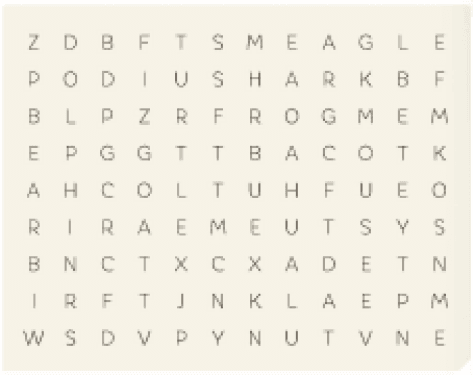
Exercise 1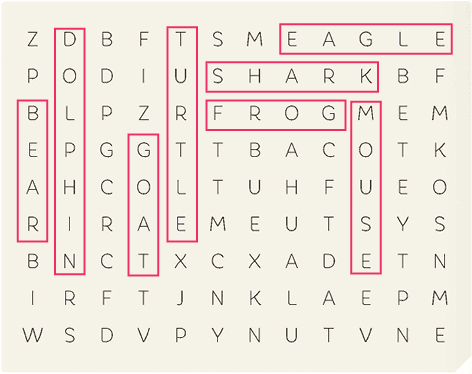
Exercise 2
a A horse is faster than an elephant.
b A frog is smaller than a cat.
c A bear is stronger than a lion.
d A lion is more dangerous than a turtle.
e A bear is heavier than a spider.
f Students’ own answers.
g Students’ own answers.
h Students’ own answers.
Exercise 3
a A tiger is more dangerous than a monkey.
b Beyoncé is more famous than me.
c Spotify ™ is better than Apple Music ™.
d Dolphins are more intelligent than elephants.
e A peacock is bigger than a spider.
f A basketball is heavier than a tennis ball.
Exercise 4
Students’ own answers.
IMPORTANT
When correcting the exercises, answer any questions students might have about the topics. Keep track of their performance to check if they need some extra exercises or Clinic Classes. Talk to your coordinator if that’s the case.
• Open the Workbook to page 21 and explain the exercises to students. Tell them that they’re going to do some exercises to practise the content learnt in class. They should refer to the Student’s Book if they have any questions. Clarify any questions they might have about the exercises.
• Remind students about the research they’re going to do on endangered animals and the due date for that, Class 12.
• Also, remind students about Portfolio 1, first draft that should be handed in the following class.
• Choose a game from the T1 Game Bank to be played according to your students’ needs.